Mental Health Problems in the UK Explained Simply: A Practical Guide for Everyday Life
Common mental health problems explained in plain English: what they are, the signs to look for and what the NHS advises — a starting point, not a diagnosis.
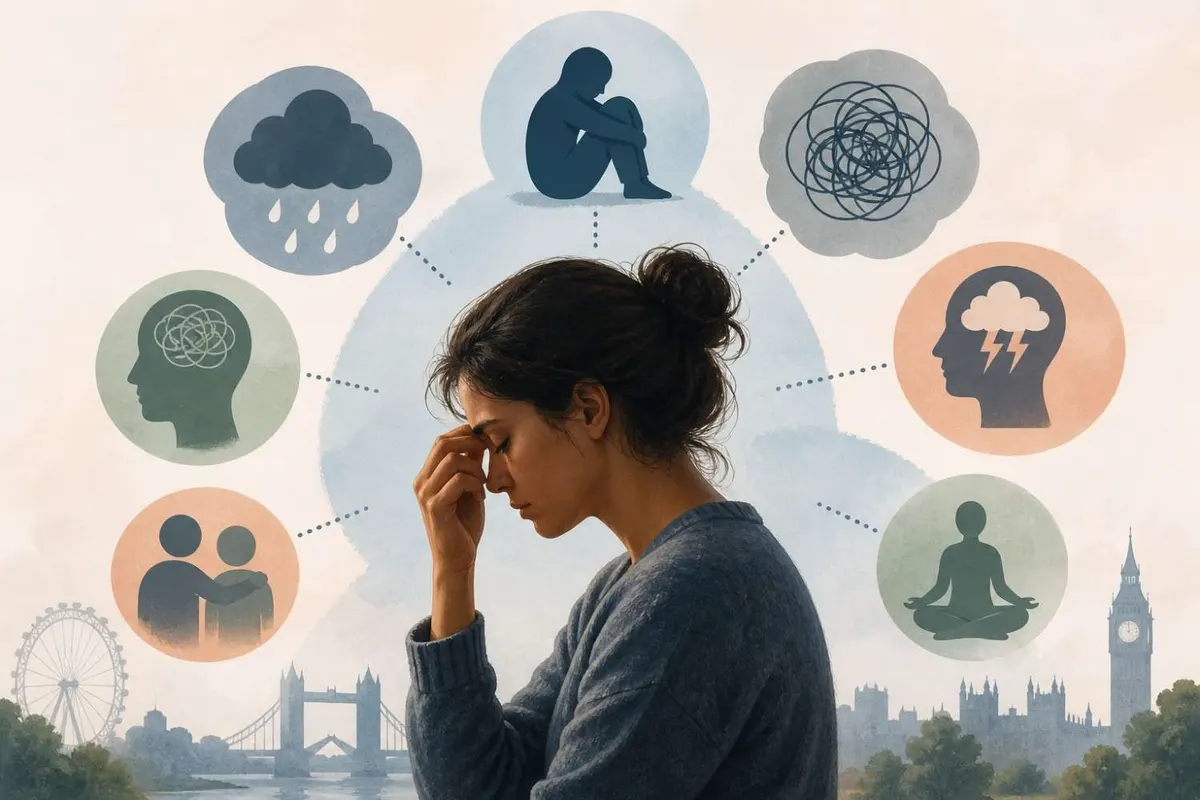
Mental health problems can affect thinking, feelings, behaviour, sleep, energy, attention, relationships, work, and learning. According to NHS (National Health Service) guidelines, the most common mental health problems include depression, generalised anxiety disorder, social anxiety disorder, panic disorder, obsessive compulsive disorder, and post-traumatic stress disorder.
What mental health problems mean in everyday life

Mental health problems are not always obvious. A person may go to work, attend class, or smile at others even though they are tired, worried, dull, overwhelmed, or lost in their own thoughts. For many, the first signs are small changes: not getting enough sleep, lacking motivation, avoiding people, losing interest in normal routines, or finding simple tasks more difficult than usual.
These changes are important because mental health is part of overall health. When they persist for a long time or start to affect daily life, they should be taken seriously.
The most common mental health problems in the UK

1. Depression
Depression is a serious, recognised medical condition – it is not a personal weakness or character flaw. It causes persistent sadness, emptiness, and a loss of interest in activities you once enjoyed, which lasts much longer than just a day or two of feeling down. Ultimately, it affects your energy, motivation, and your thoughts, feelings, and daily activities at home and at work, even sleep and eating.
2. Generalised anxiety disorder
Generalized anxiety disorder, or GAD, is a mental health condition characterized by persistent, excessive, and uncontrollable worry or anxiety about everyday matters. This worry or anxiety is often greater than the actual likelihood of an event occurring, making it difficult to control. According to the NHS, the disorder can cause significant disruption to a person’s normal attention, sleep, physical well-being, and functioning. It typically causes irritability, fatigue, muscle tension, extreme restlessness, and severe emotional distress.
3. Social anxiety disorder
Social anxiety disorder is an intense fear of being criticized, embarrassed, or watched in social situations. It can cause people to avoid speaking, eating, traveling, meeting new people, or participating in school or work. Over time, this avoidance can make life shorter and more stressful.
4. Panic disorder
Panic disorder involves having repeated panic attacks and the fear of having another. A panic attack can be intense and sudden, with symptoms including a racing heart, dizziness, chest discomfort, nausea, shaking, or shortness of breath. The NHS handout describes panic disorder as a condition in which there are repeated unexpected panic attacks, followed by anxiety about having another attack in the future for at least a month.
5. Obsessive-compulsive disorder (OCD)
OCD is characterised by unwanted, intrusive thoughts, images, or urges, accompanied by repetitive actions or rituals that seem difficult to resist. The NHS handout explains that obsessions are unwanted, intrusive thoughts, images, or urges, while compulsions are repetitive behaviours driven by a strong feeling that they must be carried out.
6. Post-traumatic stress disorder (PTSD)
PTSD can occur after a traumatic event and can cause symptoms such as re-experiencing the event, avoidance, restlessness, apathy, or negative thoughts about yourself or the world. The NHS leaflet links PTSD to events such as serious accidents, assaults, torture, serious health problems, birth trauma, war, conflict, and abuse.
Why mental health problems can be missed
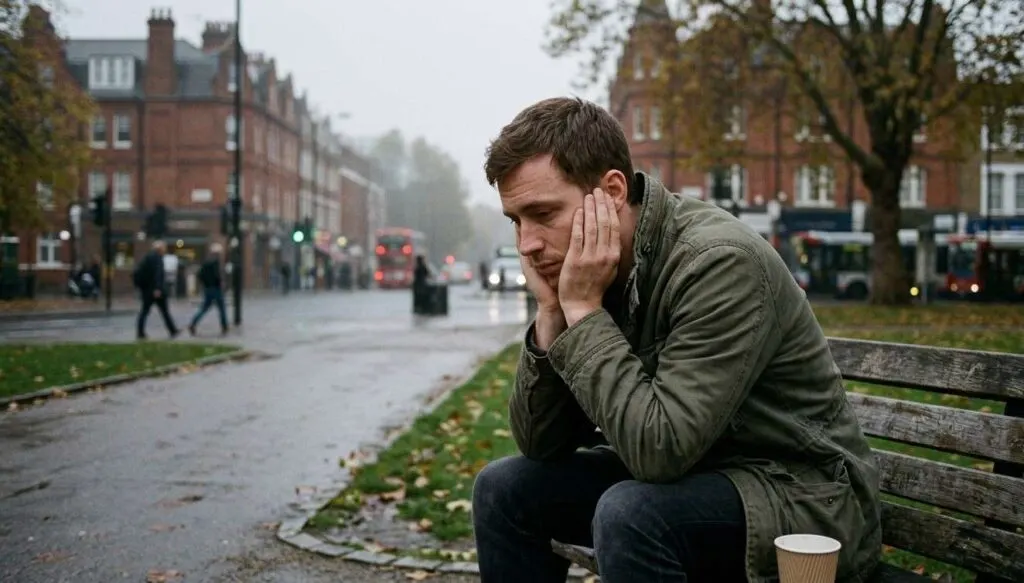
Many people don’t realize that what they’re experiencing is a mental health problem. They may think they’re just tired, weak, stressed, or not coping well. Others hide their symptoms because they don’t want people to think they’re difficult or because they hope the problem will go away on its own.
The NHS leaflet notes that mental health problems are often seen in primary care and that anxiety can often go unnoticed, particularly when depression is also present. It also states that in 2014, 19.7% of people aged 16 and over in the UK had symptoms of anxiety or depression.
Early warning signs to notice
Everyone is different, but common warning signs can include:
- Sleeping too much or too little.
- Feeling tired, anxious, or restless most of the time.
- Avoiding people, places, or responsibilities.
- Losing interest in hobbies or daily activities.
- Having difficulty paying attention or making decisions.
- Feeling depressed, tearful, irritable, or emotionless.
- physical symptoms such as headaches, stomach discomfort, or a racing heart
These signs do not automatically mean someone has a specific condition, but they are a signal that support may be needed.
What can help in real life?
According to the NHS, five practical steps can improve mental well-being: connecting with other people, being physically active, learning new skills, helping others, and paying attention to the present moment. The NHS describes these steps as evidence-based, which can help people feel more positive and get more out of life.
1. Connect with other people
Good relationships can build a sense of belonging, support, and self-esteem. A simple phone call, a short walk with a trusted person, or a meal together can go a long way in helping people cope. The NHS encourages volunteering and the use of technology to stay in touch, but warns against relying solely on texting or social media.
2. Be physically active
Physical activity can improve mental well-being by boosting your mood, boosting your confidence, and helping you feel more in control. You don’t have to spend hours in the gym to do this. Walking, stretching, dancing, cycling, or any other activity you enjoy is enough to get you started. The NHS says the best activity is the one you can make part of your life.
3. Learn new skills
Learning something new builds purpose, confidence, and connection. This could mean trying a new recipe, taking on a small responsibility, making something at home, taking up a hobby, or learning a practical skill. The NHS says learning can boost self-esteem and create a sense of purpose in life.
4. Give to others
Kindness helps others, but it can also help the person doing the kindness. Saying thank you, checking in on someone, lending a helping hand, or volunteering can create positive feelings and a sense of meaning. The NHS says that acts of kindness can improve overall well-being by creating positive feelings, purpose, self-esteem, and connection.
5. Pay attention to the present moment
Mindfulness means paying attention to your thoughts, body, and surroundings without rushing or getting caught up in worries. The NHS says it can improve wellbeing, help people enjoy life more, and make it easier to cope with adversity.
A simple daily routine that supports mental well-being
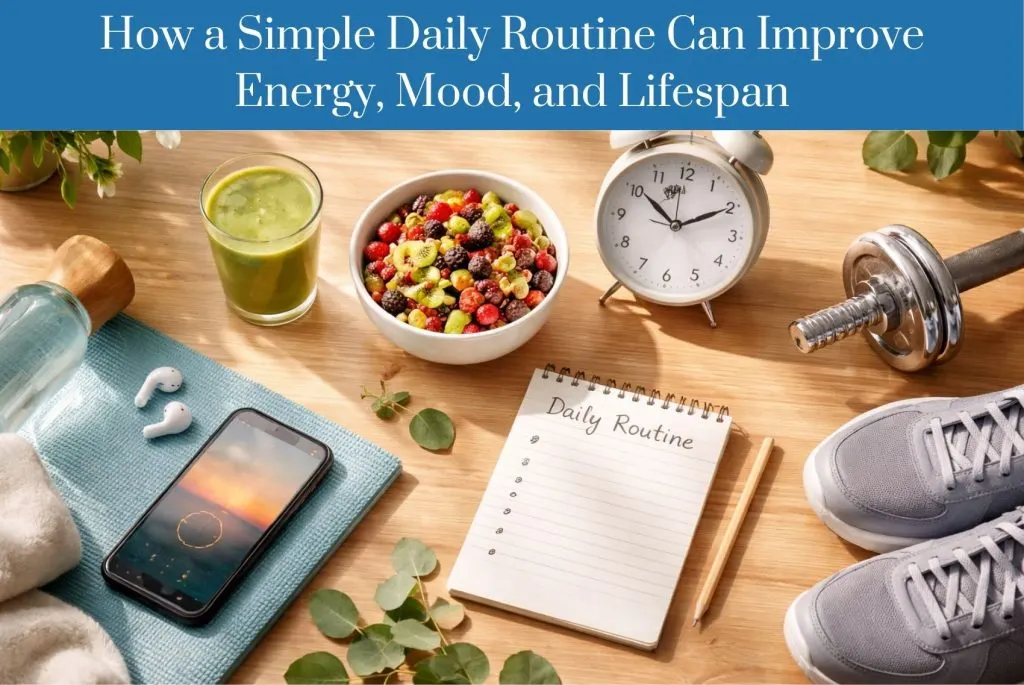
It’s not a cure-all, and it’s not a substitute for professional help, but a steady routine can make tough days easier to handle.
- Morning: Wake up at the same time, drink water, wash your hands and face, and if possible, spend a few minutes in daylight.
- During the day: Keep your body moving for short periods of time, even if it’s just a short walk.
- Afternoon: Complete that small task you’ve been avoiding.
- Evening: speak to or message one person you trust.
- Before bed: Reduce screen time and give your mind a few minutes of quiet time to settle.
Small habits are important because they create structure when thoughts feel chaotic or overwhelming.
When to ask for professional help
If symptoms persist for a week or more, recur repeatedly, or begin to affect sleep, studies, work, relationships, or daily activities, it is a good idea to talk to a doctor or mental health professional. It is also important to seek help if someone feels unable to cope or begins to withdraw from daily life.
It is often easier to seek help early than to wait until the problem becomes difficult to deal with.
How to support someone you care about
If someone close to you is struggling, the most helpful thing is often calm, non-judgmental support. Listen properly. Do not rush to fix everything. Encourage them to talk to a trusted adult, doctor, teacher, or counsellor if they need more help.
Simple support can make a real difference: checking in, staying present, and being patient.
If it is showing up as exhaustion
Persistent tiredness is one of the most common ways low mood and stress present, and it is also a symptom with physical causes the NHS says are worth ruling out. Waking tired after eight hours’ sleep covers the blood tests to ask a GP for and what each one rules out.
If the trigger is your job
Work-related stress has its own legal framework in the UK, separate from everything above. HSE’s official statistics for 2024/25 record 964,000 workers with work-related stress, depression or anxiety and 22.1 million working days lost, and employers have a legal duty to assess the risk and act on it against six named standards. Our guide to managing work stress sets out all six and explains what a stress risk assessment is. If the symptoms are showing up in your body rather than your mood, can stress cause physical symptoms? compares the NHS, Mind and HSE lists.
Frequently asked questions
What are the Mental Health Problems in the UK?
Mental health problems are extremely common in the UK, with an estimated 1 in 4 people experiencing a mental health problem each year. The most common problems are mixed anxiety and depression, generalised anxiety disorder (GAD), and major depressive disorder. Rates have increased steadily in recent years.
What are the most common mental health problems in the UK?
According to NHS guidelines, depression, generalized anxiety disorder, social anxiety disorder, panic disorder, obsessive-compulsive disorder, and post-traumatic stress disorder are common mental health problems.
Can mental health problems improve?
Yes. Many people recover with support, changes in routine and lifestyle, and professional help when needed. Some illnesses require long-term care, but improvement is possible.
What is one thing I can do today?
Start with one NHS wellbeing step: connect with someone, go for a short walk, learn something small, do one kind action, or spend a few quiet minutes paying attention to the present moment.
When should someone see a doctor about mental health?
If symptoms are lasting, getting worse, or affecting everyday life, it is sensible to speak to a doctor or mental health professional.
Final thoughts
Mental health problems are a common, real, and often misunderstood issue in the UK. The most effective way to deal with them is simple: recognise the symptoms early, keep your daily life as normal as possible, stay in touch, and seek help when needed. Mental health is part of your overall health and deserves equal care and attention.