How Daily Life in the UK Affects Your Mental Health: Hidden Triggers You Shouldn’t Ignore
Commutes, costs, weather, work culture: how ordinary UK life shapes mental health without anyone noticing, and the small changes that push back.
Mental health is no longer a topic of discussion in the UK. It has become part of everyday life. From crowded commuter trains in London to rising fuel bills in Manchester and the pressures of balancing work and family life across the country – these everyday activities are affecting the mental wellbeing of millions of people.
But the uncomfortable truth is: many people don’t realise how strongly their surroundings affect their mental state until excessive workload, anxiety, or depression start to disrupt their lives.
Have you ever felt constantly tired, irritable, or emotionless for no apparent reason? You’re not alone.
The pace of modern British life can silently affect stress, sleep quality, relationships and even physical health. While some of the reasons are obvious, others are deeply rooted in the UK’s culture, work habits, weather patterns and digital lifestyle.
This guide discusses how everyday life in the UK affects your mental health, why this happens, and what practical steps you can take to protect your wellbeing.
The Growing Mental Health Challenge in the UK
Mental health problems are becoming increasingly common across the UK. Anxiety, stress, depression and emotional exhaustion are affecting people of all ages, from university students to working parents and retirees.
Several factors contribute to this rise:
- Financial stress and concerns about the cost of living
- Long working hours
- Social isolation
- Digital overload
- Poor sleep habits
- Urban stress
- Seasonal weather changes
- Work-life imbalance
Due to constant work pressure, individuals often ignore the early signs of stress. Over time, this can lead to chronic stress and emotional exhaustion.
How UK Work Culture Impacts Mental Health
Long Hours and Constant Pressure
The UK has a highly competitive work culture. In many industries, employees feel pressure to stay productive, answer emails after hours, and meet tough targets. This “always available” mindset can increase:
- Anxiety
- Fatigue
- Irritability
- Sleep disruption
- Emotional exhaustion
Remote work has also blurred the lines between professional and personal life, with many people now struggling to take a mental break from work at the end of the day.
A healthy career will support your well-being — not consume it completely.
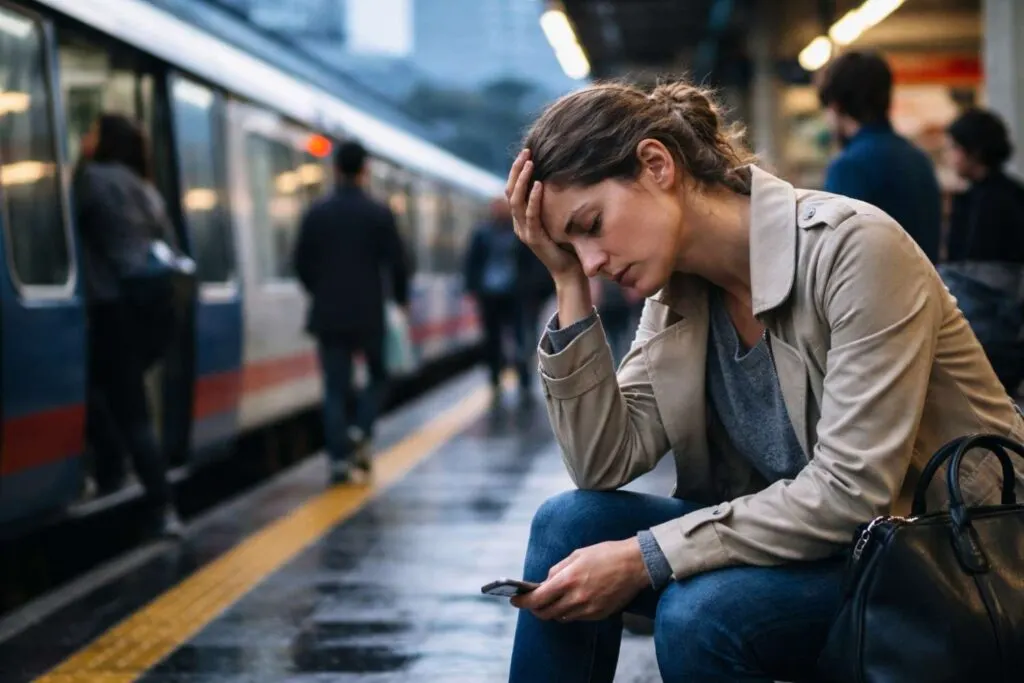
The Commute Problem
Commuting is another overlooked factor in mental health.
Crowded public transport, traffic jams, delays and long commutes can all cause mild stress on a daily basis. Even a short, stressful commute can negatively impact mood before the workday even begins.
People living in major cities often experience:
- Increased stress hormones
- Reduced patience
- Mental fatigue
- Higher emotional tension
Small daily frustrations build up over time.
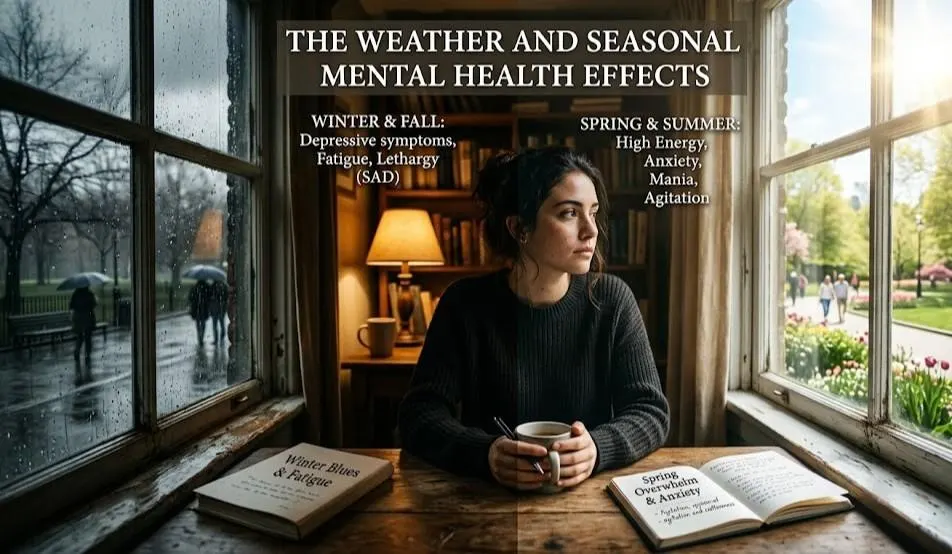
The Weather and Seasonal Mental Health Effects

Grey skies and sadness
The role of British weather in mental well-being is greater than many people realise.
The reduction in daylight hours during the fall and winter can affect serotonin levels and disrupt the body’s natural sleep-wake cycle. This can lead to depression, fatigue, and decreased performance.
Some people suffer from seasonal affective disorder (SAD), which is a type of depression and is related to low exposure to sunlight.
Common symptoms include:
- Low energy
- Oversleeping
- Mood swings
- Lack of concentration
- Increased anxiety
Rainy days can sometimes feel comforting. But dark mornings and gloomy afternoons all week long? That’s another matter.
Vitamin D Deficiency and Emotional Wellbeing
Lack of sunlight can also contribute to vitamin D deficiency, which is linked to mood swings and fatigue.
Many UK residents spend most of their day indoors:
- Working in offices
- Using screens
- Travelling by car or train
- Avoiding outdoor activity during winter
This lifestyle reduces natural light exposure and can quietly affect emotional resilience.
Social Media and Digital Overload in British Daily Life
The Pressure to Keep Up
Social media has transformed how people compare themselves to others.
Scrolling through carefully edited lifestyles can create feelings of:
- Inadequacy
- Loneliness
- Anxiety
- Low self-esteem
Young adults in the UK are particularly vulnerable to the culture of online comparison.
Whether it’s professional success, physical appearance, relationships, or financial status, constant exposure to digital media can create unrealistic expectations.
News Fatigue and Mental Stress
The 24-hour news cycle also causes stress.
Economic uncertainty, political tensions, health risks, and global crises are constantly being broadcast via smartphones and social media.
Consuming negative news repeatedly can increase:
- Stress levels
- Fear responses
- Emotional exhaustion
- Sleep problems
Sometimes the healthiest thing you can do is step away from the screen.
Cost of Living Stress and Financial Anxiety
Money Worries Affect Emotional Health
Financial stress has become one of the biggest mental health challenges in the UK.
Rising costs related to:
- Rent
- Energy bills
- Food prices
- Transport
- Childcare
…have placed enormous emotional pressure on households.
People experiencing financial anxiety often report:
- Difficulty sleeping
- Persistent worry
- Panic symptoms
- Relationship tension
- Depression
Money problems do not stay in your bank account. They follow you into your thoughts, relationships, and daily routines.
The Emotional Impact of Economic Uncertainty
Even individuals with stable jobs may feel mentally exhausted by uncertainty about the future.
Questions like:
- “Will my bills increase again?”
- “Can I afford to buy a home?”
- “What happens if I lose my job?”
…can create ongoing psychological stress.
Chronic uncertainty keeps the nervous system in a prolonged state of alertness.
Loneliness and Social Isolation in the UK
Feeling Alone in a Connected World
Loneliness is becoming increasingly common across the UK.
Ironically, being surrounded by people does not always prevent isolation. Many individuals:
- Work remotely
- Live alone
- Spend more time online than face-to-face.
- Struggle to build meaningful social connections.
Human beings are social by nature. Emotional support matters.
Without strong social interaction, mental health can decline gradually.
Urban Life and Emotional Disconnection
Busy cities can sometimes feel emotionally cold.
People rush from one responsibility to the next without genuine interaction. Communities may appear physically close yet emotionally distant.
This emotional disconnection may contribute to:
- Anxiety
- Depression
- Reduced self-worth
- Increased stress
A simple conversation with a trusted friend can sometimes make a bigger difference than people expect.
Sleep Deprivation and Modern UK Lifestyles
Why Poor Sleep Is Damaging Mental Health
Many people in the UK are not getting enough quality sleep.
Late-night screen use, work pressure, caffeine consumption, and stress all interfere with healthy sleep patterns.
Poor sleep can affect:
- Emotional regulation
- Memory
- Concentration
- Stress tolerance
- Anxiety levels
One restless night may not seem serious. Repeated sleep deprivation can significantly impact mental wellbeing.
The Relationship Between Sleep and Anxiety
Stress and sleep problems often create a vicious cycle.
Stress makes sleep harder.
Lack of sleep increases stress.
Breaking this cycle requires intentional lifestyle changes and healthy daily routines.
Healthy Habits That Protect Mental Health

Improving mental wellbeing does not always require dramatic changes. Small daily habits can make a noticeable difference.
Prioritise Physical Activity
Regular movement supports both physical and mental health.
Walking, cycling, yoga, gym sessions, or even short outdoor walks can:
- Reduce stress hormones
- Improve mood
- Increase energy
- Support better sleep
You do not need intense workouts to feel the benefits.
Build a Better Work-Life Balance
Try to create boundaries between work and personal time:
- Avoid checking emails late at night.
- Take proper lunch breaks.
- Use annual leave
- Schedule downtime intentionally
Rest is productive too.
Limit Digital Overload
Healthy screen habits matter.
Consider:
- Turning off notifications
- Taking social media breaks
- Avoiding doomscrolling before bed
- Setting screen-free hours
Protecting your attention also protects your mental health.
Stay Socially Connected
Strong relationships improve emotional resilience.
Even small actions help:
- Calling a friend
- Joining a local group
- Spending time with family
- Having face-to-face conversations
Connection is one of the strongest mental health protectors.
Seek Professional Support When Needed
There is no weakness in asking for help.
Mental health support may include:
- Therapy
- Counselling
- Support groups
- GP guidance
- Mindfulness programmes
Early support often prevents problems from becoming more severe.
Signs Your Daily Lifestyle May Be Affecting Your Mental Health
Sometimes mental strain develops slowly.
Watch for signs such as:
- Constant fatigue
- Feeling emotionally numb
- Increased irritability
- Difficulty concentrating
- Changes in appetite
- Sleep disruption
- Social withdrawal
- Persistent worry
Ignoring these signs rarely makes them disappear.
Awareness is the first step toward improvement.
Why Mental Health Awareness Matters More Than Ever in the UK
The conversation around mental health in Britain has improved significantly over the past decade, with more people now openly discussing anxiety, depression, therapy and mental wellbeing.
That progress matters.
Yet, many people suffer in silence, believing that stress is a part of life.
There will always be challenges in everyday life. The goal is not to eliminate all stress. The goal is to build healthy habits, strong mental resilience, and better support systems.
Mental health deserves the same care and attention as physical health.
Final Thoughts
Everyday life in the UK can affect mental health in subtle yet powerful ways. Work stress, financial worries, digital overuse, insufficient sleep, loneliness, and even the weather can affect mental wellbeing more than people realise.
The good news is that small, conscious lifestyle changes can make a significant difference. Taking care of your mental health is not selfish; it’s essential.
Start by paying attention to your daily habits, protecting your energy and reaching out for help when you need it.…
Frequently Asked Questions
The part of daily life with a legal duty attached
Of all the daily pressures on this page, work is the one where someone else carries a statutory obligation. HSE states that employers “have a legal duty to protect workers from stress at work by doing a risk assessment and acting on it”, measured against six Management Standards — demands, control, support, relationships, role and change. Our guide to managing work stress quotes them in full. For the wider picture, see mental health problems in the UK, and for the physical side, can stress cause physical symptoms?.
How does UK weather affect mental health?
The shorter daylight hours and reduced sunlight during the fall and winter can lead to mood swings, fatigue, and seasonal affective disorder (SAD). Lack of sunlight can also affect vitamin D levels and sleep quality.
Can work stress cause anxiety and depression?
Yes. Long working hours, excessive stress, job insecurity, and work-life imbalance can increase the risk of stress, anxiety, burnout, and depression over time.
Why is social media harmful to mental health?
Excessive social media use can encourage unhealthy comparisons, increase anxiety, lower self-esteem, and expose people to constant negative news and stress.
What are the signs of poor mental health?
Common signs include:
- Persistent sadness
- Anxiety
- Sleep problems
- Irritability
- Loss of motivation
- Social withdrawal
- Difficulty concentrating
How can I improve my mental health naturally?
Helpful strategies include:
- Regular exercise
- Better sleep habits
- Healthy eating
- Reducing screen time
- Staying socially connected
- Practising mindfulness
- Seek professional help if necessary
If you are more interested in health, stay with us. The Global Insight