How to Sleep Better Naturally Without Medication in the UK: Best Expert Tips for Deep, Restful Sleep
Practical ways to sleep better without pills: routine, light, food, temperature and stress — plus the common mistakes and when to see a GP.
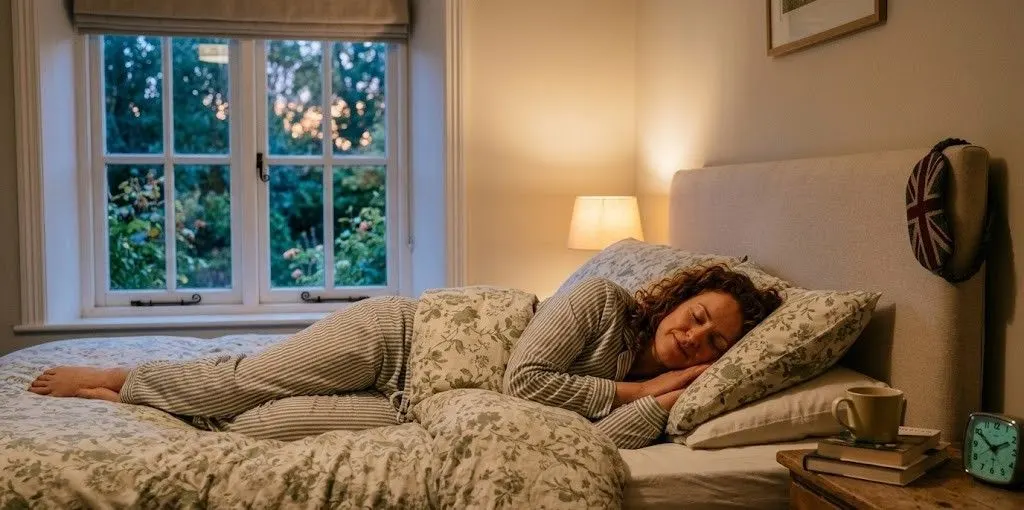
Struggling to sleep at night? You’re not alone. Thousands of adults across the UK suffer from sleep problems due to stress, excessive screen time, work pressure, caffeine habits, and unhealthy evening routines. Waking up tired has become an increasingly common occurrence in modern British life.
The good news is that you can improve your sleep naturally without the help of medication. In many cases, simple lifestyle changes can help regulate your body clock, improve sleep quality, and restore healthy sleep habits.
This expert guide explains how to sleep better naturally in the UK without medication. It uses evidence-based sleep hygiene techniques, natural remedies, and practical habits suited to the UK lifestyle.
Whether you have occasional insomnia or persistent sleep problems, these natural remedies can help you fall asleep faster, stay asleep longer, and wake up feeling refreshed.
Why Sleep Is Essential for Your Physical and Mental Health
Sleep is one of the most important pillars of overall health. During sleep, the body repairs itself, regulates hormones, strengthens the immune system, and restores brain function.
What causes poor quality sleep:
- Fatigue and low energy levels
- Reduced concentration and memory
- Stress and anxiety
- Weight gain and increased cravings
- Weakened immune function
- Higher risk of heart disease and diabetes
- Mood swings and irritability
According to sleep experts, most adults need 7 to 9 hours of good sleep each night for optimal health and well-being.
Common Causes of Poor Sleep in the UK
The first step to sleeping well naturally is to understand the root cause of your sleep problems.
1. Stress and Anxiety
Work stress, financial worries, and constant mental stress can make it difficult to relax while sleeping.
2. Excessive Screen Time
Phones, tablets, and laptops emit blue light, which reduces melatonin production and disrupts your natural sleep cycle.
3. Irregular Sleep Patterns
Staying up late on weekends and having irregular bedtimes disrupt your body’s circadian rhythm.
4. Caffeine and Alcohol Consumption
Tea, coffee, energy drinks, and alcohol can disrupt deep, restful sleep.
5. Poor Sleep Environment
An overly bright, noisy, messy, or warm bedroom can negatively impact sleep quality.
How to Sleep Better Naturally Without Medication in the UK
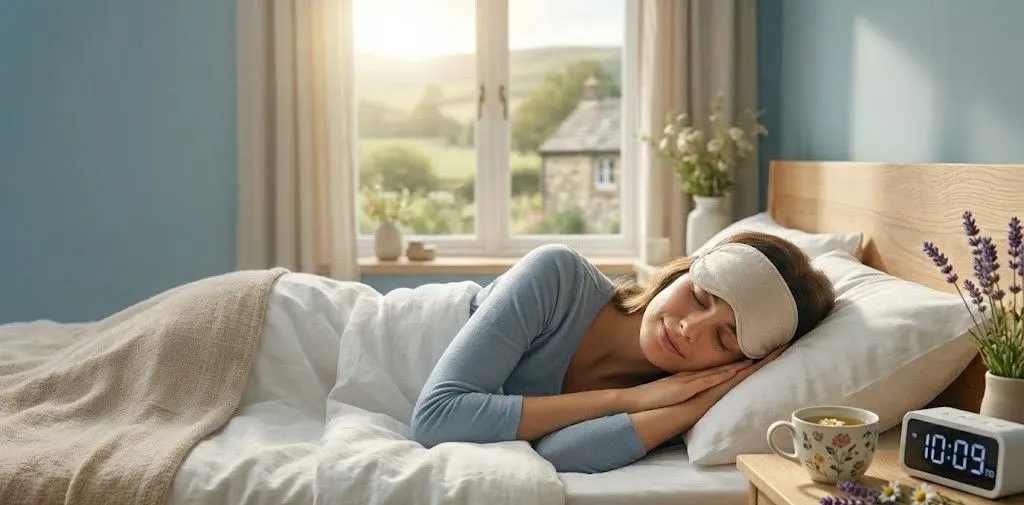
Maintain a Consistent Sleep Schedule
Your body responds best to routine. Going to bed and waking up at the same time every day helps regulate your body’s internal clock.
Even on weekends, try to keep your sleep schedule consistent.
Expert Tip: Set a nightly reminder one hour before bed to begin winding down.
Reduce exposure to blue light before bed.
One of the most effective ways to improve sleep naturally is to reduce screen time at night. The blue light emitted by electronic devices reduces melatonin levels, making it difficult to fall asleep naturally.
Ways to Reduce Blue Light at Night:
- Avoid phones and laptops one hour before bedtime.
- Use blue-light filter settings.
- Dim household lighting in the evening
- Read a physical book instead of scrolling social media.
Create a Sleep-Friendly Bedroom Environment
Your bedroom should be conducive to comfort and uninterrupted sleep.
Ideal Bedroom Conditions for Better Sleep:
- Cool temperature between 16°C and 19°C
- Minimal light exposure
- Comfortable mattress and pillows
- Quiet surroundings
- Clean and clutter-free space
Blackout curtains can be particularly useful during brighter UK summer evenings.
Limit Caffeine Intake in the Afternoon
Caffeine stays in the body for several hours and can disrupt deep sleep, even if taken early in the day.
To improve sleep naturally:
- Avoid caffeine after 2 pm.
- Reduce energy drink consumption.
- Switch to herbal teas during the evening.
Best Herbal Teas for Sleep:
- Chamomile tea
- Peppermint tea
- Lemon balm tea
Get More Natural Daylight Exposure
Natural sunlight helps regulate melatonin production and maintain a healthy circadian rhythm. Many people in the UK spend most of the day indoors, especially during the colder months.
Simple Ways to Increase Daylight Exposure:
- Take a morning walk
- Spend time outdoors during lunch breaks.
- Sit near windows while working.
- Exercise outside when possible.
Exercise Regularly for Better Sleep
Regular physical activity improves sleep quality, reduces stress, and helps you fall asleep faster.
Best Exercises for Sleep Support:
- Walking
- Yoga
- Swimming
- Cycling
- Strength training
Avoid intense exercise immediately before bedtime, as it may temporarily increase alertness.
Avoid Heavy Meals Late at Night
Eating a large meal right before bed can cause discomfort, indigestion, and sleep disruption. Choose light meals at night and avoid spicy or overly processed foods late at night.
Sleep-Friendly Evening Snacks:
- Bananas
- Greek yoghurt
- Oats
- Wholegrain toast
- Almonds
Manage Stress Before Bed
A busy mind is one of the biggest causes of insomnia and restless sleep.
Creating a calming nighttime routine helps signal relaxation to the brain.
Natural Stress-Relief Techniques Before Bed:
- Deep breathing exercises
- Meditation
- Journaling
- Gentle stretching
- Listening to calming music
Even ten minutes of relaxation before bed can improve sleep quality over time.
Best Natural Foods and Drinks That Support Sleep

Foods That May Help You Sleep Better Naturally
- Kiwi
- Cherries
- Leafy greens
- Turkey
- Oats
- Nuts and seeds
Drinks That Promote Relaxation
- Warm milk
- Chamomile tea
- Decaffeinated herbal tea
A balanced diet supports healthy sleep and overall well-being.
Natural Sleep Mistakes to Avoid
Many people unknowingly damage their sleep habits through common nighttime behaviours.
Common Sleep Mistakes:
- Using phones in bed
- Drinking alcohol to fall asleep
- Watching television late at night
- Taking long evening naps
- Checking work emails before bed
- Sleeping in an overheated room
Small behavioural changes often create major long-term sleep improvements.
How Long Does It Take to Improve Sleep Naturally?
Natural sleep improvement takes consistency. Some people notice changes within a few days, while others may require several weeks to fully reset their sleep patterns.
The key is building sustainable habits rather than searching for instant solutions.
Better sleep is often the result of multiple small lifestyle improvements working together.
When Should You Seek Professional Help for Sleep Problems?
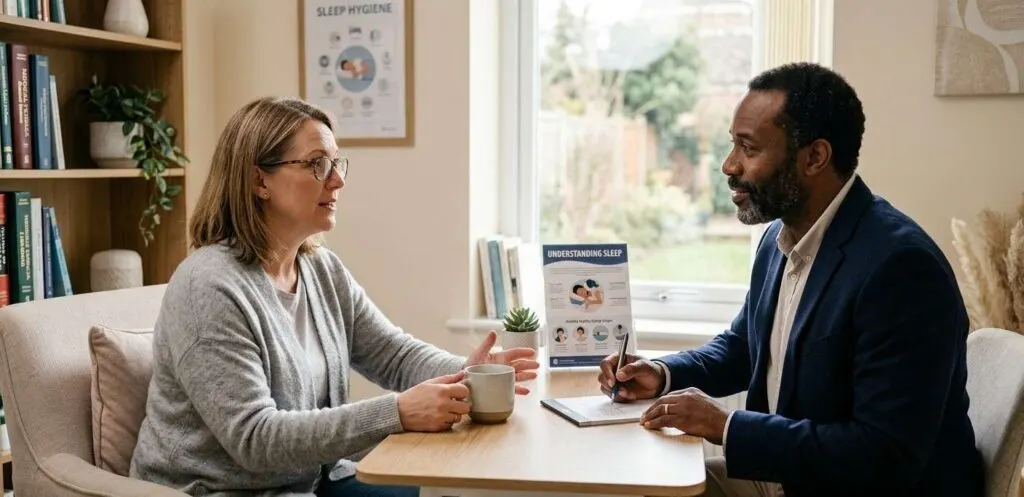
Occasional poor sleep is normal. However, ongoing sleep issues may require medical attention.
Speak with a healthcare professional if you experience:
- Insomnia lasting more than a few weeks
- Extreme daytime fatigue
- Loud snoring or breathing interruptions
- Regular nighttime waking
- Anxiety is linked to sleep.
Conditions such as sleep apnea, chronic stress, or hormonal imbalances may require professional evaluation.
If stress is what is keeping you awake
The NHS lists “sleeping too much or too little” among the behaviour changes stress causes, and Mind lists sleep problems among its physical signs. If the sleeplessness is one symptom among several, whether stress can cause physical symptoms sets out what the NHS, Mind and the HSE each list — and which symptoms should not simply be put down to stress.
If you work shifts, or sleep is not the problem
General sleep advice assumes you sleep at night. If you work nights, the rules change — see our guide to sleeping after a night shift, which covers HSE’s advice for daytime sleep and the rest breaks you are legally entitled to.
And if you are already sleeping seven or eight hours and still exhausted, the problem may not be sleep at all: the tests to ask your GP for when you are always tired sets out what the NHS says each blood test checks.
Final Thoughts
Learning how to sleep better naturally without medication in the UK starts with improving your daily habits and evening routine.
Reducing screen time, managing stress, exercising regularly, improving your sleep environment, and sticking to a regular bedtime can significantly improve sleep quality over time.
Good sleep helps maintain mental clarity, emotional well-being, immune function, and long-term physical health.
Start with one or two simple changes tonight. Be consistent. Your body and mind will gradually and naturally adapt to healthy sleep habits.
Looking for more expert-backed health advice? Explore more wellness and lifestyle guides on The Global Insight.
Frequently Asked Questions
What is the best natural way to improve sleep?
The best natural ways to improve sleep include maintaining a regular sleep schedule, reducing screen time before bed, exercising regularly, managing stress, and improving sleep hygiene.
How can I fall asleep faster naturally without medication?
You can naturally fall asleep faster by avoiding caffeine late in the day, creating a relaxing routine before bed, reducing exposure to blue light, and keeping your bedroom cool and dark.
Does exercise help with sleep problems?
Yes. Regular exercise helps improve sleep quality, reduce stress, and regulate the body’s natural sleep-wake cycle.
Why do I wake up tired even after sleeping?
Waking up tired can be caused by poor sleep quality, stress, irregular sleep schedules, sleep apnea, or excessive screen time before bed.
Is it safe to improve sleep without sleeping tablets?
For many, natural improvements in sleep through healthy lifestyle habits are both safe and effective. However, chronic sleep problems should always be discussed with a healthcare professional.